

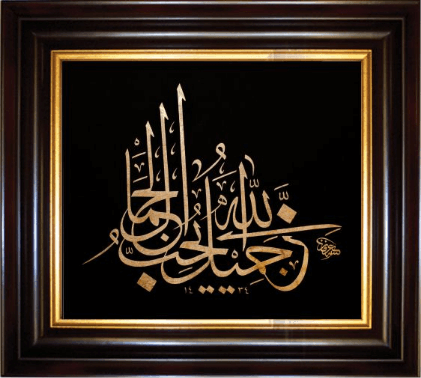
Best Artist in Pakistan: Irfan Qureshi
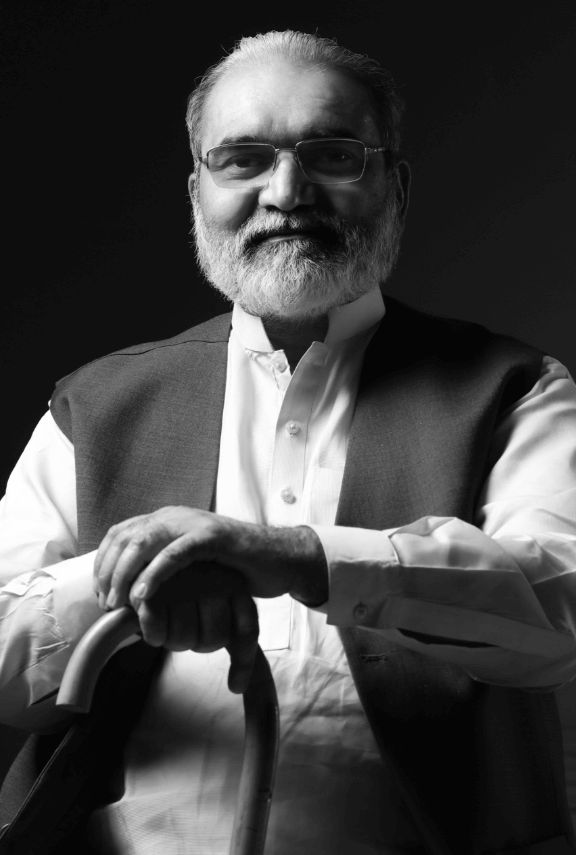
When discussing the finest contemporary artists in Pakistan, Irfan Qureshi stands as one of the best artists in Pakistan with an extraordinary legacy spanning several decades. Born in 1967 in Gujranwala, Pakistan, Irfan Qureshi has dedicated his life to preserving, innovating, and promoting the classical Islamic arts of calligraphy and traditional painting. His contributions to the advancement of Islamic arts and culture have established him as a leading figure in Pakistan’s contemporary art scene and a respected cultural ambassador internationally.
This comprehensive article explores what makes Irfan Qureshi the best artist in Pakistan, examining his mastery of calligraphy, his paintings celebrating Pakistani heritage, his role as a cultural ambassador, and his significant contributions to art education and the preservation of traditional Islamic arts. Whether you’re interested in Pakistani calligraphy, traditional Islamic art, contemporary paintings, or the best contemporary artists from Pakistan, this detailed guide provides insights into Irfan Qureshi’s remarkable artistic journey and accomplishments.
Who Is Irfan Qureshi? Master Calligrapher and Pakistan’s Premier Art Ambassador
Irfan Qureshi is widely recognized as the best artist in Pakistan, with a career spanning over three decades dedicated to the mastery and promotion of Islamic calligraphy and traditional Pakistani art. Born into a family of calligraphists in 1967, Qureshi inherited a rich artistic tradition that he has continued to cultivate, innovate, and share with the world. His work encompasses calligraphy, paintings, murals, and cultural advocacy, establishing him as a multidimensional artist and cultural leader.
As the best artist in Pakistan, Irfan Qureshi serves not merely as a practitioner of traditional arts but as a guardian of cultural heritage and an educator who has dedicated himself to promoting Islamic arts and architecture both domestically and internationally. His recognition as Pakistan’s premier calligrapher and artist comes from his extraordinary technical skills, his innovative approach to traditional forms, his extensive exhibition record, and his tireless work in cultural preservation and promotion.
Early Life and Artistic Heritage
Born on May 1, 1967, in Gujranwala, Pakistan, Irfan Qureshi was born into a distinguished family of calligraphic artists—a heritage that would profoundly shape his artistic trajectory. Growing up in such an environment rich with artistic traditions, young Qureshi was exposed to the refined techniques and philosophical depths of Islamic calligraphy from his earliest years, making him uniquely positioned to become the best artist in Pakistan.
Rather than being merely a family trade, calligraphy for Qureshi represented a spiritual and intellectual discipline rooted in Islamic tradition and Pakistani cultural identity. His family background provided not just technical instruction but also deep cultural knowledge, artistic sensibility, and commitment to preserving traditional forms. This foundational heritage became the bedrock upon which Qureshi would build his career as the best artist in Pakistan.
Under the guidance and patronage of renowned master calligraphists including Nafees Raqam, Yaqut Raqam, and Gauhar Qalam, Irfan Qureshi engaged in years of intensive training. This apprenticeship model, rooted in Islamic and South Asian artistic traditions, emphasizes direct transmission of knowledge from master to student. Through this rigorous training, Qureshi developed the technical mastery that would eventually establish him as the best artist in Pakistan.
Formal Recognition as Master Calligrapher
In 1992, Irfan Qureshi received the ‘Ijaza’—a formal permission and certification to practice calligraphy as a master practitioner. This sacred recognition, awarded through traditional Islamic channels, acknowledged that Qureshi had achieved the highest levels of technical proficiency and artistic understanding in the discipline of calligraphy. The Ijaza represents not merely a credential but a spiritual and intellectual achievement marking one’s passage into the ranks of master artists.
This achievement was further validated in 2007 when the National College of Arts in Lahore—Pakistan’s premier art institution—formally recognized Irfan Qureshi as a master practitioner through the award of the first-ever diploma in calligraphy. This was a historic moment, as Qureshi became the inaugural recipient of formal academic recognition in calligraphy at the National College of Arts, establishing his status definitively as the best artist in Pakistan in this specialized discipline.
The formal recognition from both traditional Islamic channels and the modern academic institution demonstrates Qureshi’s unique position bridging historical tradition and contemporary practice. His status as the best artist in Pakistan rests partly on his ability to maintain absolute fidelity to historical calligraphic traditions while simultaneously engaging with modern educational frameworks and artistic contexts.
Irfan Qureshi’s Artistic Practice and Specializations
What establishes Irfan Qureshi as the best artist in Pakistan is the breadth and depth of his artistic practice. His work extends across multiple disciplines—calligraphy, painting, mural art, and architectural ornamentation—each executed with extraordinary technical skill and conceptual sophistication. His diverse artistic expressions all share a common commitment to Islamic aesthetics and Pakistani cultural heritage.
Calligraphy: The Heart of Qureshi’s Artistic Practice
Calligraphy represents the core of Irfan Qureshi’s artistic identity and the discipline through which he is most recognized as the best artist in Pakistan. Islamic calligraphy, particularly its development within the Middle East and South Asia, represents one of humanity’s most refined and spiritually significant artistic traditions. The art form requires not merely technical mastery but also deep spiritual preparation, intense focus, and years of dedicated practice.
As the best artist in Pakistan in calligraphy, Qureshi specializes in multiple classical styles including Nastaliq—the elegant, flowing script that has been considered the ‘Bride of Scripts’ since its development in Persia and subsequent refinement in the Mughal courts. He also works in Kufic, the angular, geometric script that represents one of the earliest standardized forms of Arabic writing. His mastery extends to other traditional scripts, each with its own aesthetic qualities, historical significance, and spiritual dimensions.
What distinguishes Qureshi as the best artist in Pakistan in calligraphy is not merely his technical proficiency but his ability to invest calligraphic work with profound cultural and spiritual meaning. His calligraphic works are not decorative embellishments but expressions of devotion, cultural pride, and philosophical reflection. Each stroke, each curve, each spacing carries intentional meaning and aesthetic significance.
Painting and Historical Commemoration
Beyond calligraphy, Irfan Qureshi has established himself as the best artist in Pakistan through his monumental painted works and murals. His most significant project involved creating 45 paintings and murals for the Azadi Museum located at Wagah Border in Lahore. This museum, commemorating Pakistan’s Independence Movement, represents one of the nation’s most important historical sites, and Qureshi’s artistic work there demonstrates his importance as the best artist in Pakistan capable of addressing national historical narratives.
These historical paintings depict the complex, turbulent epoch of Pakistan’s independence struggle and the subcontinent’s partition. Through his artistic vision, Qureshi visualizes significant historical events, celebrates national heroes, and explores the profound emotions and social transformations of this transformative period. The commission of 45 major works for the Azadi Museum reveals the confidence that cultural institutions place in Qureshi as the best artist in Pakistan capable of handling subjects of national importance.
His paintings combine meticulous attention to historical detail with artistic imagination, creating works that are both historically grounded and aesthetically moving. Through these murals and paintings, Qureshi demonstrates his role as the best artist in Pakistan not merely as a creator of beautiful objects but as a cultural historian and national artist whose work contributes to how Pakistanis understand and celebrate their own history.
Architectural Calligraphy and Sacred Spaces
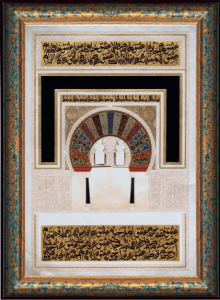
A distinctive aspect of Irfan Qureshi’s practice establishing him as the best artist in Pakistan involves architectural calligraphy and the ornamentation of sacred spaces. He has created monumental calligraphic works and architectural ornamentation in several significant mosques throughout Pakistan, integrating his artistry with religious architecture and sacred space.
His architectural calligraphy projects include work at the Punjab Secretariat Mosque in Lahore, where he created monumental calligraphic compositions in the sphere of illumination and ornamentation. Additional projects include architectural calligraphy with gold leaf at Jamia Masjid Salli Town in Lahore, calligraphic ornamentation at Numania Masjid inside Bhati Darwaza (an historic gate in the old city), and similar works at Markazi Masjid in Model Town, Gujranwala.
Each of these projects represents significant undertakings requiring mastery of traditional techniques and deep understanding of Islamic architectural and spiritual principles. By selecting Irfan Qureshi as the best artist in Pakistan to execute these sacred commissions, religious institutions demonstrate their confidence in his abilities to create work that is spiritually appropriate, aesthetically magnificent, and technically brilliant. His architectural calligraphy has transformed the visual and spiritual experience of these sacred spaces for countless worshippers.
International Recognition and Exhibition Record
The recognition of Irfan Qureshi as the best artist in Pakistan extends well beyond national borders. His works have been exhibited internationally across multiple continents, establishing his significance as a global cultural figure and ambassador of Pakistani and Islamic arts.
Global Exhibition Venues
Irfan Qureshi’s paintings and calligraphic works have been displayed in prestigious venues across the world, including exhibitions in the United States, United Kingdom, France, Switzerland, Saudi Arabia, Dubai, and numerous other countries. These international exhibitions have been crucial in establishing him as the best artist in Pakistan recognized on the global stage for his exceptional contributions to Islamic arts and cultural heritage preservation.
His work has been exhibited through prestigious art galleries and cultural institutions, with Ejaz Art Gallery—the largest private gallery space in Pakistan with more than 12,000 square feet of display area—serving as a major venue for his solo exhibitions. Through these exhibitions, Qureshi has been able to share his artistic vision and cultural message with international audiences, establishing himself as the best artist in Pakistan and a respected cultural ambassador.
Awards and Academic Recognition
Irfan Qureshi’s status as the best artist in Pakistan has been formally recognized through numerous awards and honors from prestigious institutions. He has received awards from the Punjab Council of Arts, the National College of Arts, and the Pakistan Arts Council—recognitions that affirm his artistic excellence and cultural significance.
Beyond these institutional recognitions, Qureshi’s contributions to art education and cultural advancement have earned him respect and esteem from the international art community. Museums, galleries, and cultural institutions worldwide have featured his work, and scholars of Islamic art and calligraphy reference his practice as exemplary of contemporary excellence in these traditional disciplines. This widespread recognition confirms his status as the best artist in Pakistan.
Cultural Leadership and Educational Contributions
Beyond his role as an artist, Irfan Qureshi’s designation as the best artist in Pakistan is significantly enhanced by his substantial contributions to art education, cultural preservation, and institutional development. His leadership in promoting Islamic arts and traditional forms has influenced the trajectory of Pakistani contemporary art.
Institutional Leadership and Patronage
Irfan Qureshi has served as a dynamic patron and leader of several important cultural institutions, including the Muqla Centre of Art at Hast-o-Neest Institute in Lahore. As an NGO promoting traditional arts, this institution, under Qureshi’s patronage, has become a vital center for preserving and advancing classical artistic practices. His commitment to institutional development demonstrates why he is the best artist in Pakistan—he recognizes that individual artistic achievement must be supplemented by institutional support and cultural infrastructure.
Additionally, Qureshi has served as founder and co-founder of several important artistic and educational organizations. He is a founding member of the Hast-o-Neest Institute of Traditional Studies and Art, an institution dedicated to preserving traditional arts within contemporary contexts. He also serves as co-founder of Aiwan-e-Ilm-o-Funn (established in 1990), an organization that has rendered extensive services for the promotion of calligraphy and art through meetings, seminars, exhibitions, and publications. Through these institutional roles, Qureshi has demonstrated leadership extending far beyond personal artistic practice.
General Secretary of Calligraphers Association of Pakistan
As General Secretary of the Calligraphers Association of Pakistan, Irfan Qureshi holds a position of significant responsibility and influence within the national art community. This role positions him as a leader among Pakistani calligraphists and demonstrates the esteem with which his peers regard him. His leadership of this organization has been crucial in advocating for recognition of calligraphy as a serious artistic discipline within Pakistani cultural institutions and international art discourse.
Through his leadership of the Calligraphers Association, Qureshi has organized exhibitions, conferences, and educational programs that have elevated the visibility and status of calligraphy within Pakistan. He has worked to ensure that contemporary calligraphers have platforms for exhibition, education, and professional development. This organizational leadership further establishes his position as the best artist in Pakistan by demonstrating his commitment to the advancement of the entire artistic community, not merely his individual practice.
International Conferences and Scholarly Contributions
Irfan Qureshi’s intellectual contributions to understanding and advancing Islamic arts have extended into the realm of scholarly research and academic conference organization. His most significant scholarly achievement involved organizing the International Conference on Islamic Art and Architecture at the National College of Arts in 2008. This conference, held under the auspices of the National College of Arts, positioned Qureshi as a thought leader in contemporary discussions of Islamic aesthetics and architectural theory.
At this conference, Qureshi presented a well-researched academic paper titled ‘Hamara Rasm-ul-Khat’ (Our Script/Our Writing), which explored the cultural and historical dimensions of calligraphy within the Pakistani context. His scholarly contribution demonstrated that Qureshi, while primarily known as a practicing artist, possesses sophisticated intellectual engagement with the traditions in which he works. This combination of artistic excellence and scholarly reflection establishes him uniquely as the best artist in Pakistan.
Subsequently, Qureshi organized the Sarir-e-Khama International Conference on behalf of Punjab University’s College of Art and Design in 2012. At this conference, he presented another highly appreciated research paper titled ‘Barr-e-Sagheer mein Funn-e-Tezheeb ka Safar’ (The Journey of Ornamental Art in Barr-e-Sagheer), which explored the historical development and contemporary significance of decorative and ornamental arts in the region. These scholarly contributions reveal dimensions of Qureshi’s practice beyond the visual arts, positioning him as an intellectual leader in the field.
Support for Educational Institutions
Irfan Qureshi has extended his commitment to artistic advancement by serving in advisory and support roles for numerous educational institutions. He has been a dynamic patron of the Centre for Conservation and Restoration Studies at the National College of Arts—an institution dedicated to preserving and restoring significant artworks and cultural artifacts. His support for this center demonstrates recognition that contemporary artistic practice must be accompanied by commitment to historical preservation.
Additionally, Qureshi has provided patronage and support to prestigious educational institutions including Kinnaird College for Women University and University of Central Punjab in Lahore. Through these relationships, he has contributed to art education curricula and mentored emerging artists. His awe-inspiring works of art, both calligraphic masterpieces and paintings, adorn the walls of Dabistan-e-Iqbal in Lahore since its establishment in 2012, creating a living gallery where students and visitors encounter his artistic vision daily.
The Quran Project: Spiritual Devotion Through Artistic Practice
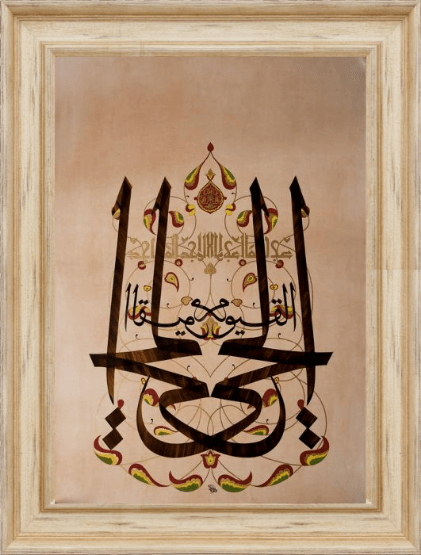
Among the most ambitious and spiritually significant aspects of Irfan Qureshi’s career as the best artist in Pakistan is his ongoing Quran Project. This monumental undertaking represents the culmination of decades of artistic development and spiritual dedication, through which Qureshi aims to create an extraordinary visual representation of the Quran through calligraphic and artistic means.
The Quran Project showcases Qureshi’s extraordinary devotion to Islamic arts and his commitment to promoting Islamic aesthetics and culture on a global scale. Through this project, he demonstrates that religious texts can be honored and beautified through artistic practice, creating works that are simultaneously spiritually profound and aesthetically magnificent. His dream through this project is to promote Islamic arts and culture across the world—a mission that positions him as the best artist in Pakistan dedicated not merely to personal artistic achievement but to cultural and spiritual advancement.
The Quran Project has already achieved significant success, with portions of the work displayed internationally and earning widespread acclaim from Islamic scholars, art historians, and general audiences. This project represents Qureshi at his most ambitious and visionary, creating works that bridge the sacred and the aesthetic, the traditional and the contemporary, and the personally spiritual with universal cultural significance. Through the Quran Project, Qureshi demonstrates why he is recognized as the best artist in Pakistan—his work transcends personal ambition to serve larger cultural and spiritual purposes.
Artistic Philosophy: Tradition, Innovation, and Cultural Preservation
Understanding why Irfan Qureshi is the best artist in Pakistan requires engagement with his underlying artistic philosophy and creative vision. Rather than viewing traditional Islamic arts as historical artifacts to be preserved unchanged, Qureshi understands them as living traditions that can and must evolve while maintaining their essential spiritual and aesthetic integrity.
Fusion of Tradition and Modernity
Irfan Qureshi’s work, as the best artist in Pakistan, represents a sophisticated fusion of tradition and modernity. He has mastered the classical techniques of Islamic calligraphy and ornamental art, studying under the greatest contemporary masters and learning traditions that have been transmitted across centuries. However, rather than merely reproducing historical styles, Qureshi brings contemporary sensibility and innovation to these traditional forms.
This approach allows Qureshi to maintain absolute fidelity to the technical and spiritual principles underlying Islamic calligraphy while simultaneously creating work that speaks to contemporary audiences and addresses modern concerns. His paintings celebrating Pakistan’s independence, his architectural calligraphy in modern mosques, and his scholarly engagement with contemporary theory all demonstrate this productive synthesis of tradition and innovation. As the best artist in Pakistan, Qureshi embodies the principle that cultural preservation need not mean artistic stagnation.
Themes of National Identity and Islamic Heritage
The work of Irfan Qureshi, as the best artist in Pakistan, consistently explores themes of national identity, Islamic heritage, and cultural continuity. His paintings at the Azadi Museum directly engage with Pakistan’s historical narrative, celebrating the independence struggle and the nation’s founding. Through these works, Qureshi demonstrates that artistic practice can serve as a vehicle for national consciousness and historical commemoration.
Similarly, his extensive calligraphic work and his role in creating artistic and architectural ornamentation in religious spaces demonstrate his commitment to Islamic heritage and spiritual practice. For Qureshi, the promotion of Islamic arts is not merely a professional pursuit but an expression of spiritual conviction and cultural commitment. This integration of personal belief with artistic practice gives his work particular authenticity and power, establishing him as the best artist in Pakistan by virtue of the depth of his convictions.
His architectural calligraphy in mosques, in particular, demonstrates his understanding that traditional artistic forms can serve contemporary spiritual needs. By creating magnificent calligraphic environments in modern mosques, Qureshi demonstrates that Islamic aesthetics remain vital and relevant to contemporary worship and spiritual practice. This vision of tradition as living, evolving, and contemporary establishes him as the best artist in Pakistan capable of bridging past and present.
Legacy and Influence on Pakistani Contemporary Art
As the best artist in Pakistan, Irfan Qureshi has exercised substantial influence on the contemporary art landscape. Through his institutional leadership, educational patronage, and artistic example, he has shaped how younger artists understand and engage with traditional forms. His career demonstrates that one need not abandon traditional arts to achieve contemporary significance—indeed, mastery of tradition can be the foundation for contemporary artistic excellence.
Mentorship and Artistic Transmission
Following the model by which he himself learned—through direct transmission from master to student—Irfan Qureshi has mentored numerous emerging artists in calligraphy and traditional painting. Though specific names of his students are not extensively documented in public discourse, his institutional roles and exhibition activities have positioned him as a mentor figure for younger artists seeking to engage with traditional forms seriously.
His establishment and patronage of institutions dedicated to traditional arts ensures that the knowledge he has accumulated will be transmitted to future generations. Through these institutions and through his direct teaching, Qureshi ensures his legacy as the best artist in Pakistan extends beyond his own artistic output to include a living lineage of artists maintaining and innovating within traditional forms. This commitment to artistic transmission represents an important dimension of his significance as a cultural leader.
Irfan Qureshi Among Pakistan’s Contemporary Artists
Pakistan has produced numerous talented artists in various disciplines, yet Irfan Qureshi’s position as the best artist in Pakistan is distinguished by his unique focus on traditional Islamic arts and his role as custodian of these forms within contemporary contexts. While other contemporary Pakistani artists explore modernist abstraction or experimental media, Qureshi has chosen the path of deepening engagement with tradition—a choice that has proven artistically and culturally significant.
His distinction as the best artist in Pakistan rests partly on the rarity of finding an artist of his caliber devoted entirely to traditional forms. In contemporary art worlds often skeptical of tradition, Qureshi’s unwavering commitment to classical Islamic calligraphy and ornamental arts represents a countercultural stance. Yet his technical mastery, scholarly sophistication, and cultural leadership have commanded respect from even skeptical observers, establishing him as the best artist in Pakistan precisely through his commitment to tradition.
Impact on Global Understanding of Islamic Arts and Culture
Beyond his significance within Pakistan, Irfan Qureshi’s role as the best artist in Pakistan extends to his contributions to global understanding of Islamic arts and South Asian cultural heritage. Through his exhibitions, his scholarly presentations, and his cultural ambassadorial activities, he has helped educate international audiences about the sophistication, beauty, and contemporary relevance of Islamic calligraphic and ornamental traditions.
In a global context where Islamic arts are often misunderstood or underrepresented, Qureshi’s work serves an important function—demonstrating the spiritual profundity, technical sophistication, and aesthetic magnificence of these traditions. By exhibiting his work internationally and presenting at international conferences, he has contributed to a more nuanced and appreciative understanding of Islamic culture among global audiences. This cultural ambassadorial role further substantiates his position as the best artist in Pakistan.
Frequently Asked Questions (FAQs) About Irfan Qureshi
This comprehensive FAQ section addresses common questions about Irfan Qureshi, his artistic practice, his recognition, and his contributions to Pakistani and Islamic arts.
1. Who is Irfan Qureshi and why is he considered the best artist in Pakistan?
Irfan Qureshi is a master calligrapher, painter, and cultural leader born in 1967 in Gujranwala, Pakistan. He is recognized as the best artist in Pakistan due to his extraordinary technical mastery of Islamic calligraphy, his monumental paintings and murals, his architectural ornamentation of sacred spaces, his institutional leadership in promoting Islamic arts, and his contributions to art education and cultural preservation. His recognition as the best artist in Pakistan comes from both his personal artistic achievements and his role as a cultural ambassador who has elevated the status of traditional Islamic arts globally.
2. What are Irfan Qureshi’s main artistic specializations?
Irfan Qureshi’s primary artistic specializations include:
(1) Islamic Calligraphy—particularly Nastaliq and Kufic scripts, which he has mastered at the highest levels;
(2) Traditional Painting—celebrating Pakistani history, national heritage, and Islamic themes;
(3) Monumental Murals—including his 45 paintings for the Azadi Museum commemorating Pakistan’s Independence Movement;
(4) Architectural Calligraphy and Ornamentation—creating monumental calligraphic works in mosques and sacred spaces; and
(5) The Quran Project—an ongoing monumental work representing the Quran through artistic means.
All of these disciplines demonstrate his commitment to traditional Islamic arts and Pakistani cultural heritage.
3. What is the difference between Nastaliq and Kufic calligraphy?
Nastaliq and Kufic represent two distinct calligraphic styles with different historical origins and aesthetic qualities. Nastaliq is an elegant, flowing script developed in Persia and refined in the Mughal courts, characterized by its graceful curves, varied letter heights, and lyrical quality—often called the ‘Bride of Scripts.’ Kufic, by contrast, is an angular, geometric script representing one of the earliest standardized forms of Arabic writing, characterized by its straight lines, sharp angles, and monumental appearance. Irfan Qureshi’s mastery of both styles demonstrates his comprehensive understanding of classical Islamic calligraphy. Different scripts are chosen based on the text being written, the context, and the desired aesthetic and spiritual effect.
4. When did Irfan Qureshi receive formal recognition as a master calligrapher?
Irfan Qureshi received his initial formal recognition in 1992 when he was awarded the ‘Ijaza’—a traditional Islamic permission and certification to practice calligraphy as a master practitioner. This honor, awarded through traditional Islamic channels, acknowledged his achievement of the highest levels of technical proficiency and artistic understanding. Subsequently, in 2007, the National College of Arts in Lahore formally recognized him as a master calligrapher through the award of the first-ever diploma in calligraphy, making him the inaugural recipient of this formal academic recognition. This dual recognition—from both traditional Islamic sources and modern academic institutions—is unique and establishes his position as the best artist in Pakistan.
5. What is the Azadi Museum and what did Irfan Qureshi create there?
The Azadi Museum is located at Wagah Border in Lahore and commemorates Pakistan’s Independence Movement and the struggle for freedom from British colonial rule. It represents one of Pakistan’s most important historical sites. Irfan Qureshi created 45 paintings and murals for this museum, depicting the complex, turbulent epoch of Pakistan’s independence struggle and the partition of the subcontinent. These monumental artworks visualize significant historical events, celebrate national heroes, and explore the profound emotions and social transformations of this transformative period. The commission of such a significant body of work demonstrates the recognition of Qureshi as the best artist in Pakistan capable of addressing subjects of national importance and contributing to how Pakistanis understand and celebrate their history.
6. What is the Quran Project and what does it represent?
The Quran Project is an ongoing monumental artistic undertaking by Irfan Qureshi representing the Quran through calligraphic and artistic means. This ambitious project represents the culmination of decades of artistic development and spiritual dedication. Through the Quran Project, Qureshi demonstrates that religious texts can be honored and beautified through artistic practice, creating works that are simultaneously spiritually profound and aesthetically magnificent. His dream through this project is to promote Islamic arts and culture across the world. The Quran Project showcases Qureshi’s extraordinary devotion to Islamic arts and establishes him as the best artist in Pakistan dedicated not merely to personal artistic achievement but to cultural and spiritual advancement. Portions of the work have been displayed internationally and have earned widespread acclaim from Islamic scholars, art historians, and general audiences.
7. What makes Irfan Qureshi uniquely important as a cultural ambassador?
Irfan Qureshi’s role as a cultural ambassador stems from several unique dimensions:
(1) Global platform for Islamic arts—In a world where Islamic arts are often misunderstood or underrepresented, Qureshi’s international exhibitions demonstrate the spiritual profundity, technical sophistication, and aesthetic magnificence of these traditions;
(2) Bridge between tradition and modernity—His work shows how classical Islamic forms remain vital and relevant to contemporary practice and spiritual life;
(3) Educational impact—Through international exhibitions and conferences, he educates global audiences about the sophistication of Islamic calligraphy and ornamental arts;
(4) National representation—His paintings at the Azadi Museum and his architectural calligraphy in Pakistani mosques contribute to how Pakistanis understand their national identity and Islamic heritage;
(5) Living continuity—His mentorship and institutional work ensure that traditional Islamic arts will continue to flourish in contemporary contexts;
(6) Scholarly articulation—His research papers and conference presentations demonstrate that traditional arts can be theoretically sophisticated and intellectually engaging. As the best artist in Pakistan, Qureshi demonstrates that cultural ambassadorship requires both artistic excellence and commitment to cultural understanding.
Conclusion: Irfan Qureshi as the Best Artist in Pakistan
Irfan Qureshi stands as the best artist in Pakistan through a remarkable combination of technical mastery, cultural leadership, scholarly sophistication, and spiritual dedication. Born into a family of calligraphists and trained under the great masters of Islamic calligraphy, he has spent decades perfecting his craft and promoting Islamic arts within Pakistan and globally.
What distinguishes Irfan Qureshi as the best artist in Pakistan is not merely his personal artistic achievement, though his calligraphic and painted works are extraordinary. Rather, his significance stems from his multifaceted contributions to art education, cultural preservation, institutional development, and the promotion of Islamic heritage. Through his role as General Secretary of the Calligraphers Association of Pakistan, patron of cultural institutions, organizer of international conferences, and creator of monumental artworks, Qureshi has shaped the landscape of contemporary Pakistani art.
His commitment to the Quran Project—representing decades of devotional artistic practice—demonstrates his vision of art as serving spiritual and cultural purposes beyond individual expression. His architectural calligraphy in Pakistani mosques shows how traditional arts remain vital to contemporary worship and community life. His paintings at the Azadi Museum demonstrate that artistic practice can honor national history and contribute to collective memory.
For anyone seeking to understand Pakistani contemporary art, Islamic calligraphy, traditional ornamental arts, or the possibilities of maintaining artistic traditions within modern contexts, Irfan Qureshi’s work is essential. As the best artist in Pakistan, he offers not merely beautiful objects but profound meditations on culture, spirituality, tradition, and the enduring significance of classical arts within contemporary life.
In celebrating Irfan Qureshi as the best artist in Pakistan, we celebrate an artist who has dedicated his career to preserving, advancing, and promoting Islamic arts and Pakistani cultural heritage. His legacy will continue to inspire future generations of artists, cultural leaders, and appreciators of Islamic aesthetics. Through his work and leadership, Qureshi has demonstrated that Pakistan possesses extraordinary artistic resources and that traditional forms, properly understood and practiced, remain vital vehicles for contemporary cultural expression, spiritual practice, and national identity.